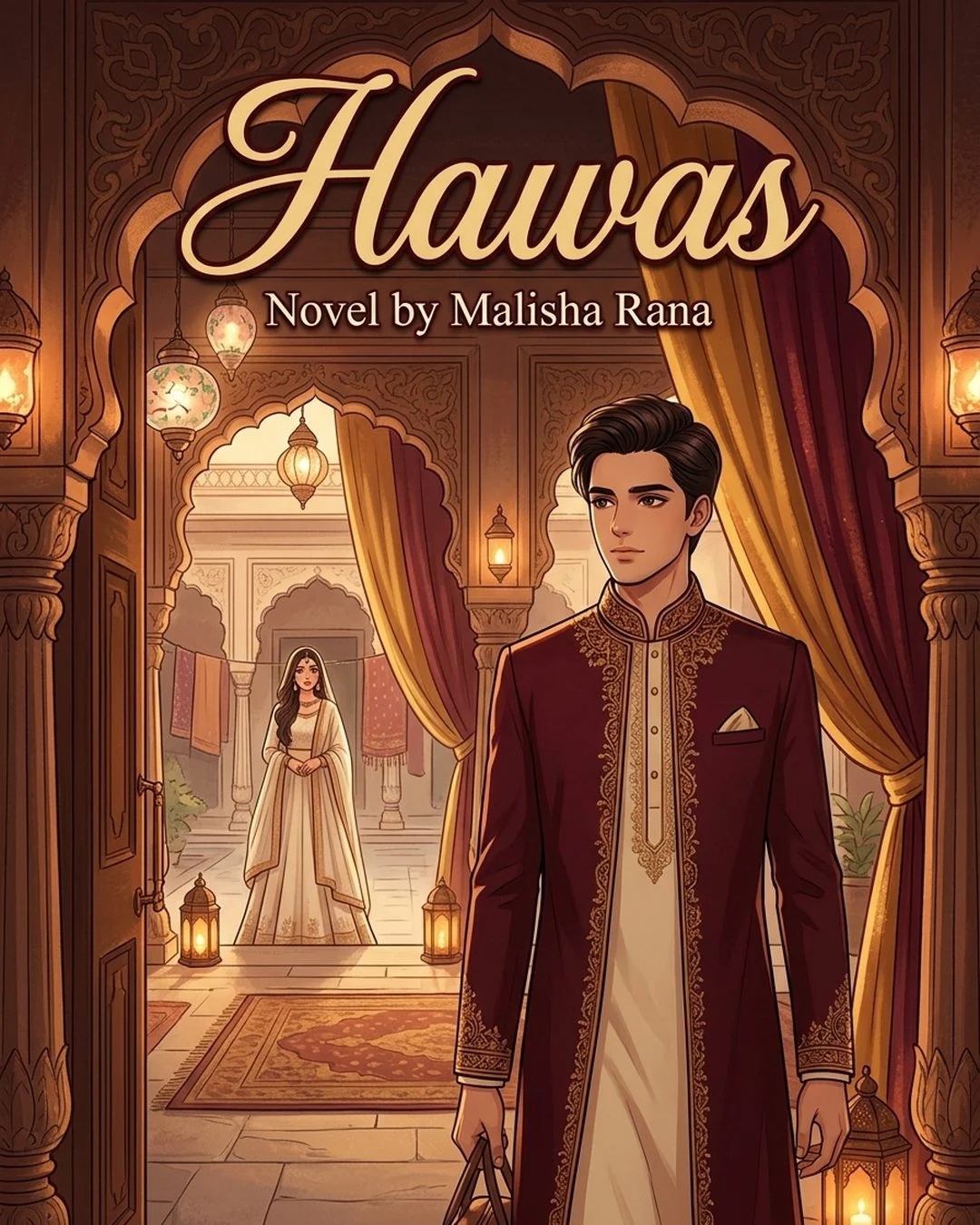
| Novel Name | Hawas |
| Author | Malisha Rana |
| Language | Urdu |
| Genre | Suspense |
| Theme | Social Message, Women’s Dignity |
| PDF Page Count | Not confirmed yet |
| PDF Available | Yes |
Hawas Urdu novel by Malisha Rana. A short, hard-hitting social story that confronts lust as a social evil. Read the full novel here with the PDF.
Not every love story is about love; some are about what happens when desire is stripped of it entirely. Hawas, meaning ’Lust’, is a short but hard-hitting social novel by Malisha Rana that turns its gaze on one of society’s ugliest realities. Rather than romanticizing, it confronts, using its story to expose a darkness people often prefer to look away from.
A serious, socially conscious read among the site’s intense novels, Hawas will resonate with readers who were gripped by Dasht e Wehshat or the darkness of Black Moon.
Quick Overview
Hawas is a short social Urdu novel by Malisha Rana, a popular emerging voice known for relatable, message-driven stories. It follows a young woman caught in the shadow of another’s unchecked desire and, through her endurance and search for justice, holds up a mirror to how families and communities respond to one of society’s most uncomfortable truths.
Main Characters
- The Heroine: A young woman who becomes the emotional center of the story as she is caught in the shadow of another person’s unchecked desire. Her endurance, dignity, and struggle for justice anchor the narrative.
- The Antagonist: A figure driven by hawas, raw, selfish desire with no regard for consequence. His actions embody the social evil the novel sets out to expose.
- Supporting Family and Society: The people surrounding the heroine, whose reactions, silences, and judgments reflect how communities often respond to such situations, adding to the story’s social commentary.
Full Plot Summary
Hawas belongs to Malisha Rana’s category of short social novels, stories built to deliver a message as much as to entertain. As its title signals, the novel tackles the theme of lust as a destructive force, examining how unchecked desire can wound lives and expose the fault lines in a society that too often stays silent.
The story follows a young woman thrust into a painful situation created not by love, but by another’s selfishness. Through her experience, Rana lays bare the emotional toll such realities take: the fear, the helplessness, and the quiet strength required to survive them. Around this central struggle, the novel weaves in the reactions of family and community, using them to hold up a mirror to how society tends to respond when confronted with uncomfortable truths.
Written with suspense and emotional intensity, the narrative keeps readers engaged while steadily building toward its larger point: that lust divorced from respect and humanity is a social wound, not a private matter. As the plot unfolds, the heroine’s journey becomes one of endurance and, ultimately, a search for justice and dignity. Because it is a short novel, the storytelling stays tight and focused, driving its message home without wandering. By the end, Hawas leaves readers not with easy comfort, but with reflection, the kind a socially conscious story is meant to provoke.
Central Themes
- Lust as a Social Evil: The novel’s core concern is exposing how unchecked desire harms individuals and society.
- A Woman’s Endurance and Dignity: The heroine’s strength in the face of hardship forms the emotional heart of the story.
- Society’s Silence: Rana highlights how communities often ignore or judge rather than protect and support.
- Justice and Reflection: Beneath the drama lies a call for awareness, accountability, and change.
Why Readers Love Hawas
Readers are drawn to Hawas because it dares to address a subject many novels avoid. Malisha Rana, a popular emerging voice in Urdu fiction, is known for stories readers can relate to, and here she channels that relatability into a serious social message. The novel’s suspenseful pacing and short length make it a gripping, one-sitting read, while its emotional depth leaves a lasting impression. Fans who appreciate socially conscious fiction, stories that entertain while making them think, find it especially powerful.
Final Thoughts
Hawas is not a comfortable read, and it isn’t meant to be. Its strength lies in its willingness to confront a painful social reality head-on and to give voice to those who suffer under it. Compact, intense, and purposeful, it stands out as a reminder that fiction can be a mirror for society’s failings. For readers who value stories with a message and the courage to tell hard truths, Malisha Rana’s Hawas is a moving and thought-provoking choice.